
Flat Feet vs. High Arches: How They Affect You & The Best Shoes for Support

Introduction: Why Your Foot Structure Matters

Your feet form the foundation of your entire body. Whether you have flat feet or high arches, your foot structure influences your balance, posture, gait, and even how your knees, hips, and lower back feel. Many people live with discomfort, chronic arch pain, or recurring injuries simply because they’re wearing the wrong shoes or haven’t received proper orthotics.

Foot structure isn’t just about shape—it affects how weight is distributed and how efficiently your body absorbs shock. This is why choosing appropriate footwear and consulting a podiatrist near me can make a powerful difference in long-term comfort and mobility.

In this blog, we explore the differences between flat feet and high arches, common symptoms, and the best footwear choices for each. We’ll also explain when an expert footwear prescription or custom orthotic device may be necessary.

Flat Feet: What It Means & How It Affects You

What Are Flat Feet?

Flat feet, also known as pes planus, occur when the arches of the feet collapse or fail to develop properly. When you stand, the entire sole touches the ground, which can cause the foot to roll inward (overpronation).

Common Symptoms of Flat Feet

People with flat feet may experience:

  • Arch pain after standing or walking
  • Heel pain (often resembling plantar fasciitis)
  • Ankle rolling or instability
  • Fatigue in the legs
  • Tightness in the calves
  • Pain that worsens after exercise
 

How Flat Feet Affect Your Body

Because flat feet can cause overpronation, they often:

  • Increase stress on ankles and knees
  • Alter alignment through the hips and lower back
  • Make walking or running less efficient
  • Increase risk of shin splints
 

Best Shoes for Flat Feet

The goal is stability and arch control.

Look for shoes with:

  • Firm midsole and heel counter
  • Wide base for improved balance
 

When Flat Feet Need Orthotics

If discomfort persists, a podiatrist may recommend:

  • Custom orthotics to correct arch collapse
  • A tailored footwear prescription
  • Exercises to strengthen intrinsic foot muscles

High Arches: What You Need to Know

What Are High Arches?

High arches (pes cavus) occur when the foot arch is excessively elevated. This reduces the foot’s ability to absorb shock, often causing the foot to roll outward (supination).

Common Symptoms of High Arches

You may notice:

  • Sharp arch pain
  • Heel pain or ball-of-foot pain
  • Frequent ankle sprains
  • Calluses on the outer edge of the foot
  • Toe cramping or hammertoe formation
 

How High Arches Affect Your Body

High arches can create:

  • Poor shock absorption during activities
  • Extra pressure on the forefoot and heel
  • Strain on the Achilles tendon
  • Instability leading to ankle injuries
 

Best Shoes for High Arches

The priority is cushioning and gentle support.

Choose shoes with:

  • Soft midsole cushioning
  • Flexible construction
  • Slight arch support, but not rigid
  • Deep heel cups for stability
  • Additional forefoot padding
 

When High Arches Need Orthotics

A podiatrist may recommend:

  • Custom orthotics with shock absorption
  • Heel cushioning to reduce impact
  • Adjustments for gait stability

Flat Feet vs. High Arches: Key Differences

Feature

Flat Feet

High Arches

Arch height

Low to none

Very high

Foot motion

Overpronation

Supination

Primary issue

Poor stability

Poor shock absorption

Pain location

Arch, heel, knees

Arch, heel, knees

Best shoes

Supportive, structured

Soft, cushioned

Both conditions can cause a painful toe, toe deformities, balance issues, or recurring toenail problems if footwear doesn’t match your biomechanics.

Choosing the Right Supportive Shoes: What to Look For

Here are universal tips for choosing shoes that keep your feet healthy:

✅ Choose shoes based on your foot type (flat or high arch).

✅ Ensure there is adequate cushioning for daily walking.

✅ Check for a wide toe box to prevent pressure and ingrown toenails.

✅ Look for a stable heel counter to prevent rolling of the ankle.

✅ Replace worn-out shoes every 9–12 months.

✅ Consult a podiatrist near me for a proper footwear assessment if pain persists.

How Orthotics Can Help Both Conditions

Whether you have flat feet or high arches, orthotics offer personalised correction and pressure redistribution. They help:

  • Improve alignment
  • Reduce arch pain
  • Prevent repetitive injuries
  • Reduce load on knees and hips
  • Support daily movement and sports activity
 

Custom orthotics are particularly beneficial when:

  • You stand all day
  • You’re an athlete
  • You experience repeated foot or ankle injuries
  • Shoe inserts from shops aren’t enough
  • Your symptoms worsen over time

For many people, pairing orthotics with a personalised footwear prescription creates the most long-lasting relief.

When to See a Podiatrist

You should book an assessment if you experience:

  • Chronic arch pain
  • Repeated ankle sprains
  • Foot fatigue
  • Difficulty finding comfortable shoes
  • Ongoing knee, hip, or back discomfort
  • Pain during everyday walking
 

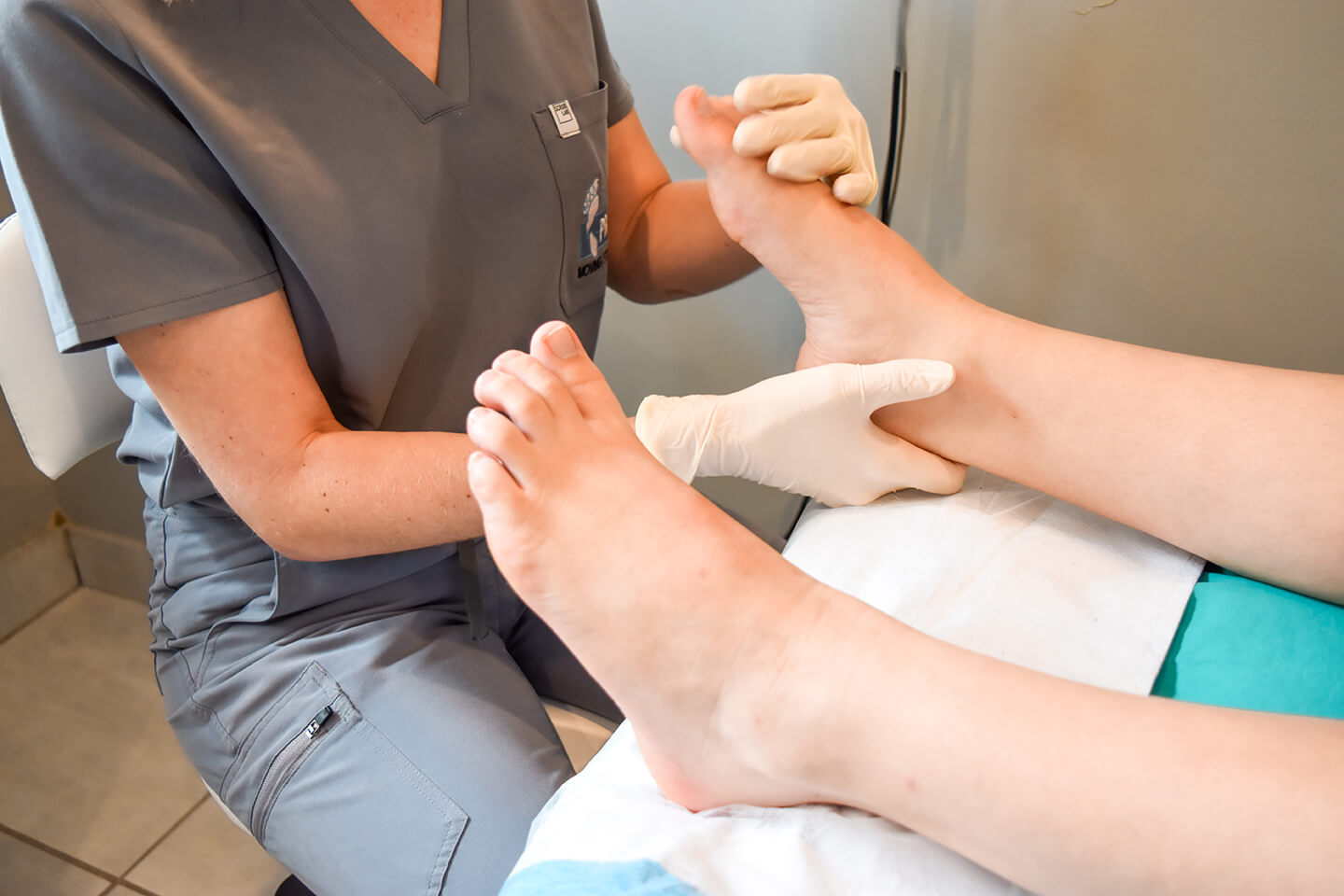
A qualified foot doctor will analyse your gait, posture, and footwear before recommending orthotics or treatment.

Book Your Orthotic Assessment at The Pod Practice

If you’re unsure whether you have flat feet, high arches, or a combination of both, the best next step is a professional biomechanical evaluation. At The Pod Practice, we provide detailed assessments and custom orthotics designed to fit your lifestyle and relieve pain long-term.

✅ Improve comfort
✅ Support your natural foot structure
✅ Reduce pain from daily standing, walking, or sport

Book your orthotic assessment today and get the support your feet deserve.