Diabetic Foot Care & Prevention

Living with diabetes means paying closer attention to parts of your body that others may take for granted—especially your feet. Reduced sensation, poor circulation, and delayed healing place people with diabetes at a significantly higher risk of serious foot problems. Without proper diabetic foot care, even a small cut or blister can escalate into infection, hospitalisation, or amputation.
The good news is that most diabetic foot complications are preventable with early intervention, routine assessments, and expert podiatry care. This article explains why proactive foot care matters, the risks diabetics face, and how podiatrists help protect long-term foot health.
Why Diabetics Are at Higher Risk of Foot Problems
Diabetes affects the body in multiple ways that directly impact the feet. Over time, high blood sugar levels can damage nerves and blood vessels, reducing sensation and slowing healing.
Key Risk Factors Include:
- Peripheral neuropathy – reduced ability to feel pain, heat, or injury
- Poor circulation – slower wound healing and reduced infection resistance
- Weakened immune response – infections spread more easily
- Changes in foot shape – pressure points form, increasing ulcer risk
Because pain may not be felt, injuries often go unnoticed until they become severe. This is why consistent diabetic foot care is critical, even when the feet appear “normal.”
Common Diabetic Foot Complications
Without early prevention, diabetes can lead to a range of serious foot conditions.
Diabetic Foot Complications Include:
- Foot ulcers – open wounds that heal slowly and can become infected
- Skin infections (cellulitis)
- Fungal nail and skin infections
- Charcot foot (structural collapse due to nerve damage)
- Gangrene
- Increased risk of amputation
Foot ulcers are the leading cause of diabetes-related hospital admissions and amputations worldwide, making prevention and early detection essential.
The Importance of Early Prevention
Early diabetic foot care focuses on identifying risks before damage occurs. Routine podiatry visits allow professionals to monitor changes in circulation, sensation, and skin integrity.
Preventative Care Helps To:
- Detect early signs of nerve damage
- Identify pressure points and deformities
- Prevent skin breakdown
- Reduce infection risk
- Avoid costly and life-altering complications
A podiatrist near me is often the first line of defence in preventing serious foot conditions.
What Is a Diabetic Limb Assessment?
A diabetic limb assessment is a comprehensive evaluation of foot health and circulation, designed to identify early warning signs before complications develop.
What It Includes:
- Sensory testing (nerve function)
- Vascular assessment (blood flow)
- Skin and nail examination
- Pressure point identification
- Footwear assessment
These assessments allow podiatrists to classify risk levels and tailor treatment plans accordingly.
Daily Foot Care Tips for Diabetics
Consistent self-care plays a vital role in preventing foot problems. Here are essential foot care tips every diabetic should follow:
Daily Diabetic Foot Care Tips:
- Inspect feet daily for cuts, blisters, redness, or swelling
- Wash feet daily and dry thoroughly
- Moisturise skin daily on the feet and legs (avoid between toes)
- Trim nails appropriately (avoid cutting into the corners)
- Never walk barefoot, even at home
- Wear clean, well-fitting cotton socks
- Avoid using heating pads or hot water bottles
- Seek professional care for corns or calluses
These habits dramatically reduce the risk of foot ulcers and infection.
The Role of Prescription Shoes in Diabetic Foot Care
Footwear is one of the most overlooked aspects of diabetic care. Ill-fitting shoes are a leading cause of ulcers due to pressure and friction.
Why Prescription Shoes Matter:
- Reduce pressure points
- Improve weight distribution
- Protect against external injury
- Accommodate deformities
- Improve stability and balance
A podiatrist can recommend prescription shoes and custom orthotics designed to match your foot structure and risk level.
Professional Treatments for Diabetic Foot Care
If risks or complications are detected, podiatrists may recommend targeted treatments such as:
- Callus and corn debridement
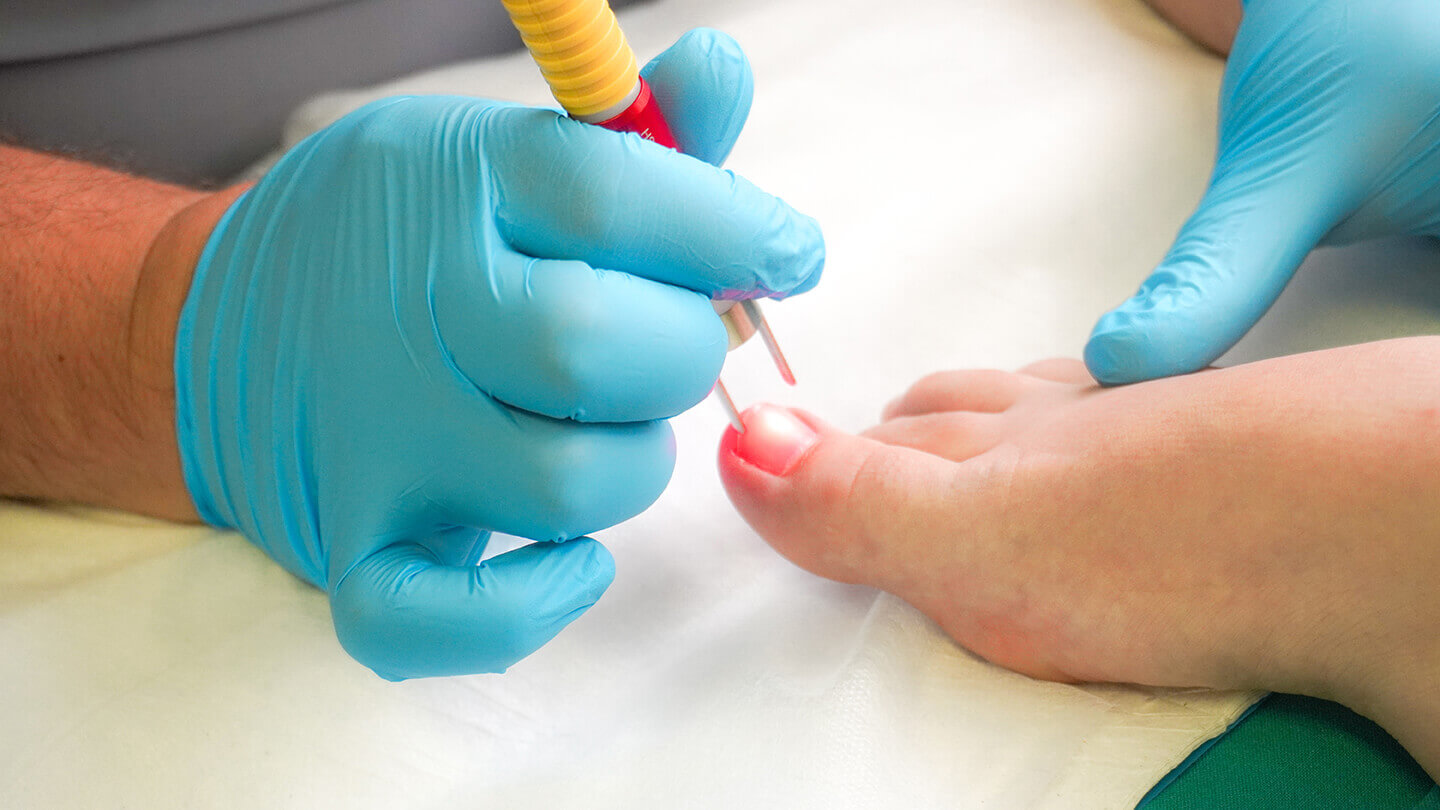
- Nail care for thickened or infected nails
- Pressure offloading devices
- Custom orthotics
- Wound care for foot ulcers
- Ongoing diabetic limb assessments
Early treatment significantly improves healing outcomes and prevents escalation.
When to See a Podiatrist
You should book an appointment with a podiatrist near me if you experience:
- Loss of sensation in your feet
- Persistent redness or swelling
- Open sores or slow-healing wounds
- Changes in foot shape
- Pain, numbness, or tingling
- Thickened or discoloured toenails
Even without symptoms, routine podiatry visits are recommended for all people living with diabetes.
Why Professional Diabetic Foot Care Makes a Difference
Many diabetic foot complications develop silently. By the time pain occurs, damage is often advanced. Professional care ensures:
- Early risk identification
- Personalised prevention plans
- Reduced hospitalisation risk
- Improved long-term mobility
- Peace of mind
Consistent diabetic foot care is not optional—it’s a vital part of diabetes management.
Book Your Diabetic Foot Care and assessment Appointments at The Pod Practice
Protecting your feet today can prevent serious complications tomorrow. At The Pod Practice, our experienced podiatrists provide comprehensive diabetic foot care, including diabetic limb assessments, footwear guidance, and ongoing monitoring.
Prevent foot ulcers
Protect circulation and nerve health
Maintain mobility and independence
Book your diabetic foot care and assessment appointments today and take a proactive step toward lifelong foot health.