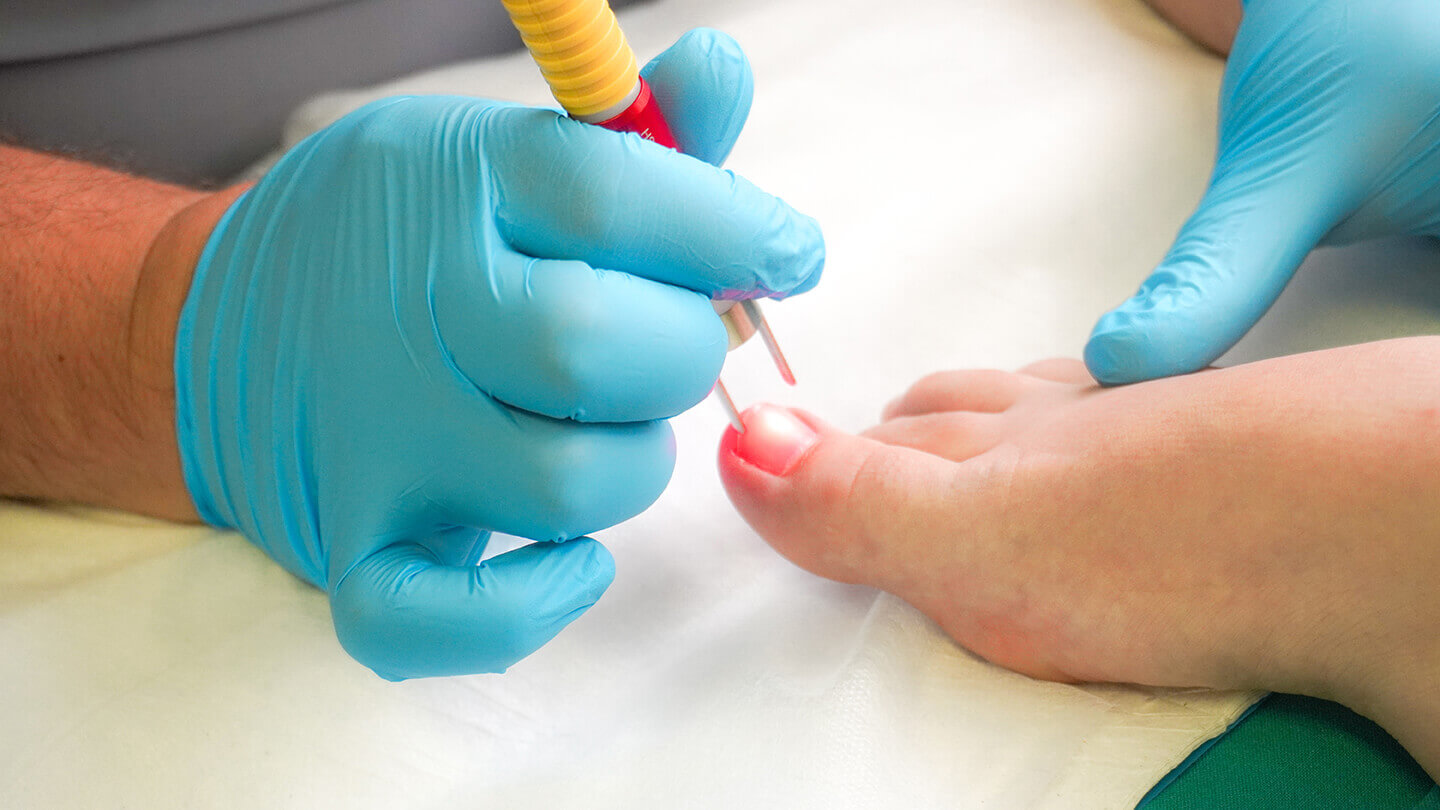
Heel Pain Treatment | Plantar Fasciitis or Heel Spur?
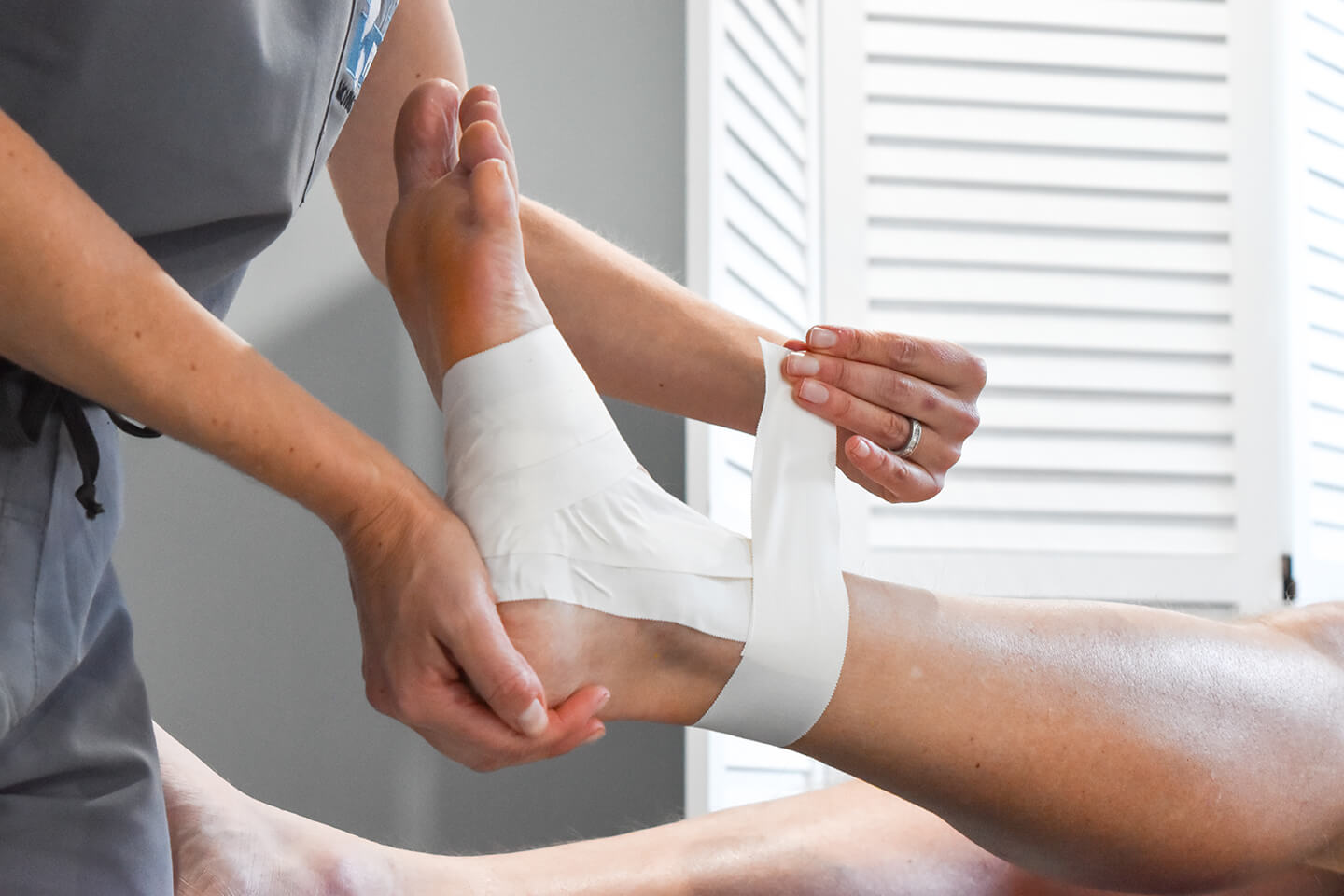
Heel Pain Explained: Is It Plantar Fasciitis or Something Else?
Heel pain can be frustrating, limiting, and surprisingly disruptive to everyday life. Whether it strikes first thing in the morning, after exercise, or at the end of a long day, a painful heel is often a sign that something deeper is going on beneath the surface. Many people assume heel pain automatically means plantar fasciitis—but that’s not always the case.
Understanding the true cause of your heel pain is the first step toward effective heel pain treatment. In this guide, we’ll explore the most common causes of heel pain, how they differ, and when it’s time to seek professional care from a podiatrist near me.
Why Heel Pain Happens
The heel bone (calcaneus) absorbs significant impact every time you walk, run, or stand. When this load exceeds what the surrounding tissues can handle, pain develops. The cause may be mechanical, inflammatory, degenerative, or related to footwear and lifestyle.
Common Causes of Heel Pain
- Plantar fasciitis
- Heel spurs (calcaneal spurs)
- Achilles tendon strain
- Fat pad atrophy
- Stress fractures
- Nerve compression
Each condition requires a different approach to heel pain treatment, which is why accurate diagnosis matters.
Plantar Fasciitis: The Most Common Cause of Heel Pain
What Is Plantar Fasciitis?
Plantar fasciitis occurs when the plantar fascia—a thick band of tissue running along the sole of the foot—becomes overstressed or damaged. It is the most frequent reason patients seek painful heel treatment.
Typical Symptoms
- Sharp pain under the heel
- Pain with first steps in the morning
- Pain that eases with movement but returns after rest
- Tenderness along the arch
Plantar Fasciitis Treatment Options
Effective plantar fasciitis treatment focuses on reducing strain and improving foot mechanics:
- Custom orthotics
- Supportive footwear
- Stretching programmes
- Shockwave or manual therapy
- Activity modification
Early intervention leads to faster recovery and prevents chronic degeneration.
Heel Spurs: When Bone Growth Causes Pain
What Is a Calcaneal Spur?
A heel spur is a calcium deposit that forms on the underside of the heel bone. While many heel spurs are painless, they are often associated with plantar fasciitis.
Symptoms of Heel Spurs
- Localised heel tenderness
- Pain when standing after rest
- Increased discomfort when barefoot
Calcaneal Spur Treatment
Calcaneal spur treatment focuses on relieving pressure and inflammation rather than removing the spur itself:
- Offloading orthotics
- Heel cushioning
- Stretching therapy
- Footwear adjustments
Surgery is rarely required and is only considered in severe, unresponsive cases.
Other Causes of Heel Pain You Shouldn’t Ignore
Achilles Tendon-Related Heel Pain
Pain at the back of the heel may be caused by Achilles tendon overload or insertional tendinopathy. This pain typically worsens with activity and tight calf muscles.
Fat Pad Atrophy
Loss of natural heel cushioning can cause deep, bruised sensations under the heel—often mistaken for plantar fasciitis.
Nerve-Related Heel Pain
Burning, tingling, or sharp pain may indicate nerve compression, which requires a different treatment approach altogether.
Heel Pain Treatment – Why Proper Diagnosis Matters
Not all heel pain is the same, and treating the wrong condition can delay healing. Professional heel pain treatment targets the root cause rather than masking symptoms.
A podiatrist will assess:
- Gait and biomechanics
- Foot structure
- Muscle flexibility
- Footwear wear patterns
- Pressure distribution
This ensures the treatment plan is precise and effective.
When to See a Podiatrist
You should book an appointment with a podiatrist near me if:
- Heel pain lasts longer than two weeks
- Pain worsens instead of improving
- Pain affects walking or work
- Home remedies offer little relief
- Pain returns repeatedly
Early podiatric intervention significantly improves outcomes and reduces recurrence.
Quick Tips for Managing Heel Pain at Home
While professional care is essential, these steps can help reduce discomfort:
- Wear supportive shoes at all times
- Avoid walking barefoot on hard floors
- Stretch calves and arches daily
- Apply ice for short periods
- Avoid worn-out footwear
These strategies complement professional painful heel treatment, but should not replace proper assessment.
Why Expert Heel Pain Treatment Works
Many people delay treatment, hoping heel pain will resolve on its own. Unfortunately, untreated heel pain often becomes chronic and harder to manage. Professional care offers:
- Accurate diagnosis
- Targeted treatment
- Faster recovery
- Reduced recurrence
- Improved long-term mobility
Book Your Heel Pain Assessment at The Pod Practice
If heel pain is holding you back, expert care can make all the difference. At The Pod Practice, our experienced podiatrists provide comprehensive assessments and personalised heel pain treatment, including care for plantar fasciitis, heel spurs, and other causes.
✅ Identify the true cause of your pain
✅ Receive tailored treatment
✅ Walk comfortably again
Book your appointment today and take the first step toward pain-free movement.