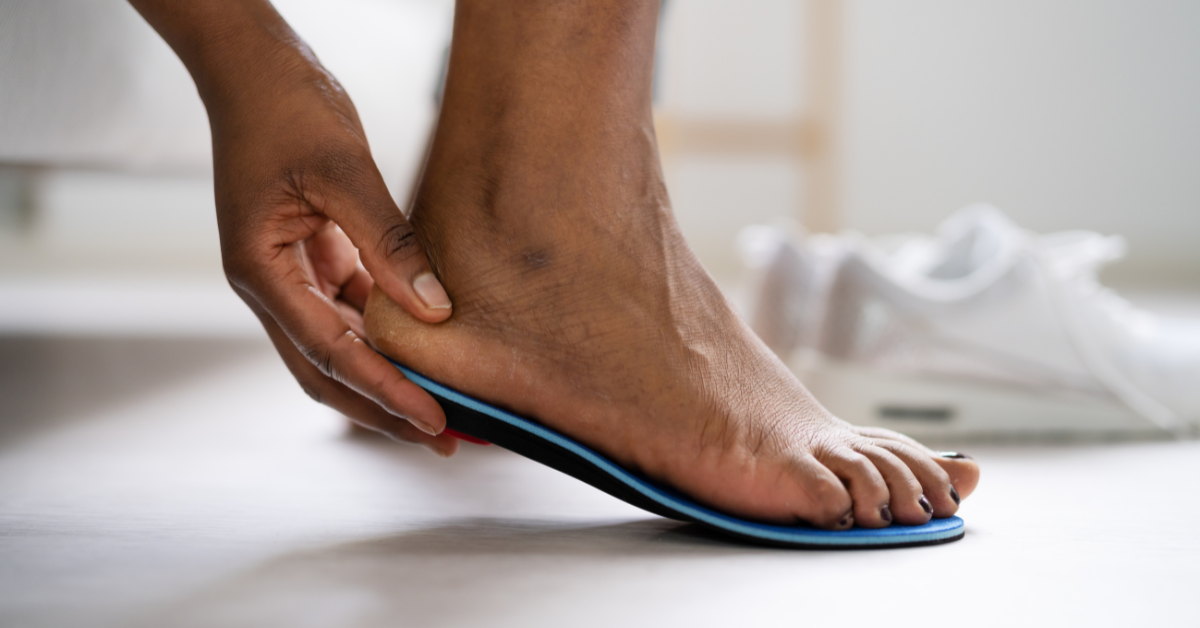
Common Sports Foot Injuries Explained: Causes, Symptoms and When to See a Podiatrist
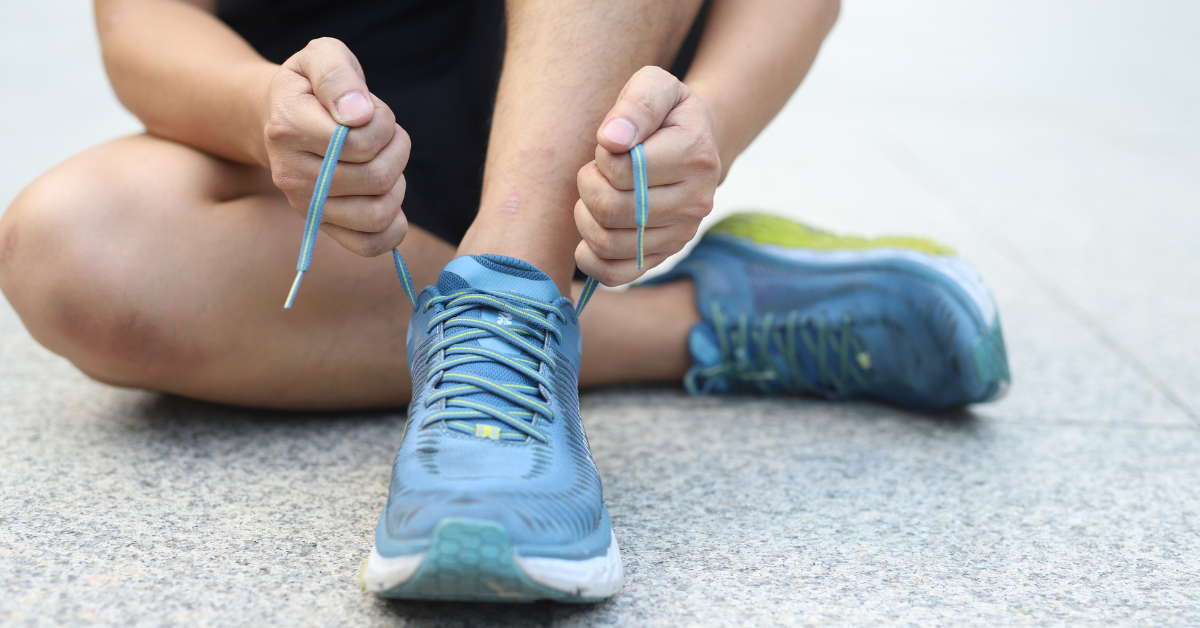
Common Sports Foot Injuries Explained: Causes, Symptoms and When to See a Podiatrist
Whether you’re running through your neighbourhood, playing padel over the weekend, competing in a rugby match or enjoying a game of netball, your feet play an important role in keeping you moving.
Sport places repeated demands on the feet and ankles. While regular physical activity offers many health benefits, sudden changes in training, unsuitable footwear and repetitive loading can sometimes contribute to injuries.
Understanding common sports foot injuries can help you recognise early warning signs and know when professional assessment may be necessary.
Why do sports foot injuries happen?
Your feet contain numerous bones, joints, muscles, tendons and ligaments that work together to absorb forces and support movement.
During sport, these structures must respond to running, jumping, landing, twisting and sudden changes in direction.
Sports foot injuries may develop because of:
- Sudden increases in training intensity or duration.
- Repetitive loading without sufficient recovery.
- Footwear that doesn’t suit the activity.
- Previous injuries or reduced strength and mobility.
- Uneven playing surfaces or unexpected movements.
Not every injury has a single identifiable cause. Often, several factors contribute to discomfort.
1. Plantar fasciitis: Pain beneath the heel
Plantar fasciitis, also called plantar fasciopathy, is a common cause of heel pain in active individuals.
It involves irritation or changes affecting the plantar fascia, the strong band of tissue running along the underside of the foot.
Common symptoms include:
- Pain beneath or towards the inside of the heel.
- Discomfort during the first steps in the morning.
- Pain after sitting or resting.
- Symptoms that worsen after prolonged activity.
Runners and athletes who spend considerable time on their feet may experience this condition.
Treatment depends on the individual and may involve load management, strengthening exercises, footwear advice and, where appropriate, orthotics.
2. Achilles tendinopathy: Pain behind the heel
The Achilles tendon connects your calf muscles to your heel bone and plays an important role in walking, running and jumping.
Achilles tendinopathy develops when the tendon struggles to adapt to the demands placed upon it.
Athletes may notice stiffness or discomfort around the back of the heel, particularly when beginning exercise or after increased training.
It is commonly associated with running and jumping sports.
Management often includes a gradual strengthening programme and adjustments to training load. Persistent symptoms should be assessed rather than repeatedly ignored.
3. Ankle sprains: More than a simple twist
Ankle sprains are particularly common in sports involving rapid direction changes, such as netball, rugby, tennis and padel.
They occur when ligaments supporting the ankle are stretched or injured.
Symptoms may include pain, swelling, bruising and difficulty bearing weight.
Although some sprains improve relatively quickly, returning to sport before strength, balance and ankle function have recovered may increase the likelihood of another injury.
Significant swelling, inability to walk normally or marked tenderness over a bone warrants prompt medical assessment.
4. Stress fractures: When repetitive loading becomes too much
Stress fractures are small bone injuries associated with repetitive loading that exceeds the bone’s ability to recover.
They can occur in runners and athletes who suddenly increase their training distance, intensity or frequency.
Warning signs may include:
- Pain concentrated in one particular area of the foot.
- Discomfort that worsens with impact activity.
- Localised tenderness.
- Pain that gradually becomes more persistent.
Unlike ordinary post-exercise muscle soreness, stress fracture symptoms may become progressively worse if the activity continues.
If a stress fracture is suspected, stop impact exercise and seek medical assessment. Imaging may be necessary to confirm the diagnosis.
5. Metatarsalgia: Pain in the ball of the foot
Metatarsalgia describes pain affecting the ball of the foot rather than one specific diagnosis.
It may develop when the forefoot experiences repeated pressure during running, jumping or other activities.
Athletes may experience aching, burning or tenderness beneath the forefoot.
Contributing factors can include footwear, training demands and the distribution of pressure across the foot.
A podiatrist can assess the underlying cause and recommend appropriate management, which may include footwear modifications or pressure redistribution.
Can sports foot injuries be prevented?
Increase training gradually. Avoid sudden jumps in running distance, exercise intensity or sporting frequency.
Choose appropriate footwear. Running shoes, court shoes and rugby boots are designed for different movements and playing surfaces.
Build strength and balance. Strong foot and lower-limb muscles help support movement and control.
Allow time for recovery. Rest and recovery are important parts of training, particularly after demanding sessions.
Pay attention to recurring pain. Discomfort that repeatedly returns during sport deserves attention.
When should you see a podiatrist?
Occasional muscle soreness after exercise isn’t unusual, but persistent or recurring foot pain shouldn’t simply be accepted as part of being active.
Consider a podiatric assessment if:
- Foot or ankle pain repeatedly interrupts your sport.
- Symptoms return whenever you increase training.
- You experience ongoing heel, arch or forefoot discomfort.
- Your footwear seems to contribute to recurring problems.
- A previous injury hasn’t fully resolved.
Severe pain, obvious deformity or an inability to bear weight requires urgent medical evaluation.
How can The Pod Practice help?
At The Pod Practice in Pretoria East, sports podiatry focuses on understanding the factors contributing to foot and lower-limb discomfort.
Depending on your symptoms, an assessment may include gait analysis, biomechanical evaluation, footwear advice and an individualised management plan.
Orthotics may also be considered where clinically appropriate, alongside strengthening, rehabilitation and other treatment options.
The aim is to help you understand your injury, address contributing factors and work towards a safe return to the activities you enjoy.
Experiencing recurring foot pain during sport? Contact The Pod Practice to arrange an assessment and take the next step towards moving more comfortably.