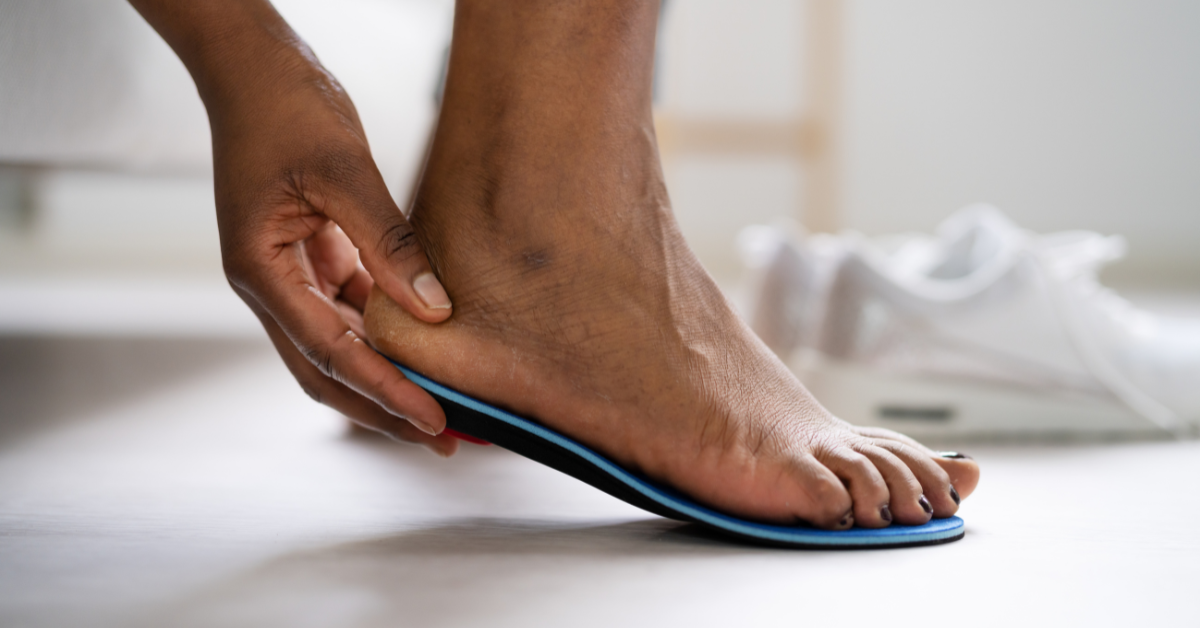
Why Do My Feet Hurt After Playing Padel?
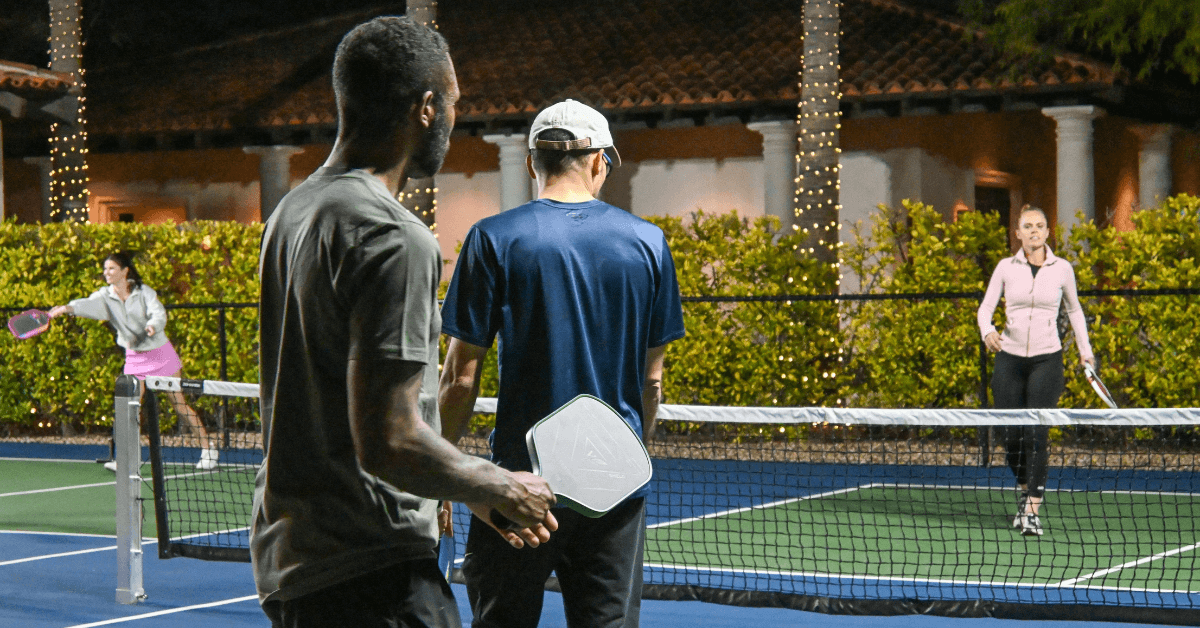
Why Do My Feet Hurt After Playing Padel?
Padel is a fast-paced sport that combines quick changes of direction, short sprints, sudden stops and repeated lateral movements. It is a great way to stay active, but all that movement can place significant demands on your feet and lower limbs.
If your feet regularly hurt after a game of padel, it is worth paying attention to the pattern of your pain rather than simply assuming it is normal post-exercise soreness.
Research into padel injuries has found that the lower leg, ankle and foot are among the commonly affected areas, while other studies have identified a range of overuse and musculoskeletal injuries in players.
So, why might your feet hurt after playing padel?
1. Padel puts a lot of stress on your feet
Unlike activities where you mainly move forwards, padel requires you to move in several directions.
You may repeatedly:
- Sprint forwards and backwards
- Shuffle sideways
- Stop suddenly
- Change direction quickly
- Reach and stretch for the ball
- Push off one foot
- Land and stabilise yourself after movement
These movements place repeated loads through the feet, ankles, calves and Achilles tendons.
If your body has not had enough time to adapt to the amount of activity you’re doing, this repeated loading can contribute to discomfort or an overuse injury.
This can be particularly noticeable when someone has recently started playing padel, increased their playing frequency, or gone from occasional games to several sessions per week.
2. Your shoes may not be right for padel
One of the most common things to consider when experiencing foot pain after sport is your footwear.
Your sports shoes should provide an appropriate combination of:
- Stability
- Grip
- Comfort
- Secure fit
- Appropriate cushioning
- Support for the demands of your movement
A shoe that allows your foot to move excessively inside it, does not provide adequate stability, or is no longer in good condition may contribute to discomfort.
The right shoe isn’t necessarily the most expensive shoe. It is the shoe that suits your feet, your movement and the demands of your sport.
At The Pod Practice, footwear advice forms part of a broader sports-podiatry approach, alongside biomechanical assessment and gait analysis.
3. Sudden changes in training can cause problems
Have you recently started playing more padel?
Perhaps you’ve gone from one game a week to three or four. Or maybe you’ve started playing longer matches without giving your body enough time to recover.
Your feet and lower limbs need time to adapt to increased physical demands.
A sudden increase in activity can place additional stress on muscles, tendons and other structures. This doesn’t necessarily mean you should stop exercising altogether, but persistent pain is a reason to reconsider your training load and seek professional advice if it does not settle.
4. Your foot mechanics may be contributing
Everyone has their own unique way of standing, walking and moving.
The way your feet and ankles move can influence how forces are distributed through your lower limbs when you run, stop, turn and push off.
For some players, an underlying biomechanical issue may contribute to recurring pain.
This is where a biomechanical assessment or gait analysis can be useful.
At The Pod Practice, biomechanical assessments are used to assess movement patterns and identify areas that may be contributing to pain or inefficient movement.
Importantly, having a particular foot type does not automatically mean you need treatment or orthotics. The goal is to understand how your feet function and whether your movement is relevant to the symptoms you’re experiencing.
5. Your calves and feet may simply be getting tired
Padel requires repeated pushing off, stopping and changing direction.
Your calf muscles and the smaller muscles that help stabilise your feet work throughout a game.
When these muscles become fatigued, your movement can change. You may find yourself relying on different areas of your foot or lower limb, potentially increasing stress on structures that are not accustomed to the additional load.
This is one reason strength and conditioning can be an important part of staying active.
Building appropriate strength in the feet, calves and lower limbs can help support your ability to handle sporting demands.
6. Heel or arch pain shouldn't be ignored
If your pain is mainly underneath your heel or around your arch, there can be several possible causes.
Plantar fasciitis is one potential cause of heel pain, but it is not the only possibility.
Other problems can affect the heel, tendons, bones, muscles or nerves. Persistent pain therefore shouldn’t be diagnosed based solely on where it hurts.
The same applies to pain around the outside or inside of the foot. The location of the pain provides useful information, but a proper assessment is needed to determine what is causing it.
The Pod Practice provides assessment and treatment for foot pain, heel pain, plantar fasciitis, Achilles problems, ankle injuries and other sports-related conditions.
When should you see a podiatrist?
Occasional muscle soreness after exercise can be normal. However, it is worth having persistent or recurring pain assessed.
Consider seeing a podiatrist if:
- Your foot pain keeps returning after padel
- Pain is becoming progressively worse
- You are changing the way you walk because of discomfort
- Pain continues between games
- You have recurring ankle problems
- You have swelling or significant tenderness
- Your performance is being affected
- You have tried changing your activity or footwear but the problem continues
Getting an assessment can help identify whether the problem is related to footwear, training load, biomechanics, strength, an injury or another underlying condition.
How can you reduce your risk of foot pain when playing padel?
You don’t need to stop playing padel simply because your feet feel tired after a game.
Instead, consider your overall approach to the sport.
Make sure your footwear is appropriate for padel and fits securely. Increase your playing frequency gradually rather than making large sudden changes. Allow adequate recovery between demanding sessions and include appropriate strength and conditioning in your overall training.
Most importantly, don’t ignore recurring pain.
Pain that repeatedly appears after every game is worth investigating, particularly if it is becoming more intense or taking longer to settle.
Keep enjoying padel — with healthier feet
Padel is an excellent way to stay active, but the sport places unique demands on your feet and lower limbs.
If your feet hurt after every game, the problem may not simply be that you’re “getting used to it”. Your footwear, training load, biomechanics, strength or an underlying injury could all play a role.
A sports-podiatry assessment can help identify the contributing factors and provide a personalised plan to help you stay active.
At The Pod Practice, sports podiatry includes biomechanical assessment, gait analysis, footwear advice, orthotics and injury rehabilitation tailored to your individual needs.
If foot pain is keeping you from enjoying your next padel game, book a consultation with The Pod Practice and get your feet assessed.