
Plantar Fasciitis Explained: Causes, Symptoms & Effective Treatments
Have you ever taken your first steps out of bed in the morning only to be met with a sharp, stabbing pain in your heel? That sudden jolt of discomfort that eases as you walk around is one of the most classic signs of plantar fasciitis. This condition is one of the most common causes of a painful heel, affecting runners, people who stand for long hours, and even those who believe they’re wearing “good” shoes.
The good news is that effective plantar fasciitis treatment is available. With the right care, professional guidance, and targeted support, long-term foot pain relief is absolutely achievable. In this guide, we’ll explain what plantar fasciitis is, why it happens, how to recognise it early, and which treatments truly work.
What Is Plantar Fasciitis?
Plantar fasciitis is caused by inflammation or degeneration of the plantar fascia — the thick band of tissue that runs along the bottom of the foot from the heel bone to the toes. This tissue acts like a shock-absorbing support cable for your arch. When it becomes overstressed or damaged, pain develops at the point where it attaches to the heel.
Despite the name, plantar fasciitis is often a degenerative condition rather than purely inflammatory, which is why rest alone does not always resolve the problem.
Causes of Plantar Fasciitis
Plantar fasciitis rarely has one single cause. It usually develops due to a combination of mechanical strain and lifestyle factors.
Common Causes Include:
- Prolonged standing on hard surfaces
- Walking barefoot on tiled or concrete floors
- Poor footwear with little arch support
- Sudden increase in activity levels
- Tight calf muscles or Achilles tendon
- Flat feet or high arches
- Obesity or sudden weight gain
- Age-related tissue weakening
When the plantar fascia is overloaded repeatedly, micro-tears form in the tissue. Over time, this leads to chronic heel pain and increases the risk of developing a calcaneal (heel) spur — often requiring calcaneal spur treatment alongside plantar fasciitis care.
Symptoms of Plantar Fasciitis
The most distinctive symptom is morning heel pain, but the condition can present in several ways.
- Sharp or stabbing pain under the heel
- Pain that improves with movement but returns after rest
- Discomfort after long periods of standing
- Pain following exercise rather than during it
- Tenderness along the arch
- Increased pain when climbing stairs
Effective Plantar Fasciitis Treatment Options
Successful plantar fasciitis treatment focuses on reducing strain on the fascia, improving foot mechanics, and allowing damaged tissue to heal. Treatment is usually staged, starting conservatively and progressing only if needed.
Professional Podiatry Treatments:
A podiatrist near me will assess your walking pattern (gait), footwear, foot structure, and muscle flexibility before recommending an individualised plan that may include:
- Custom-made foot orthotics for arch support
- Shock-absorbing heel cushioning
- Stretching and strengthening programmes
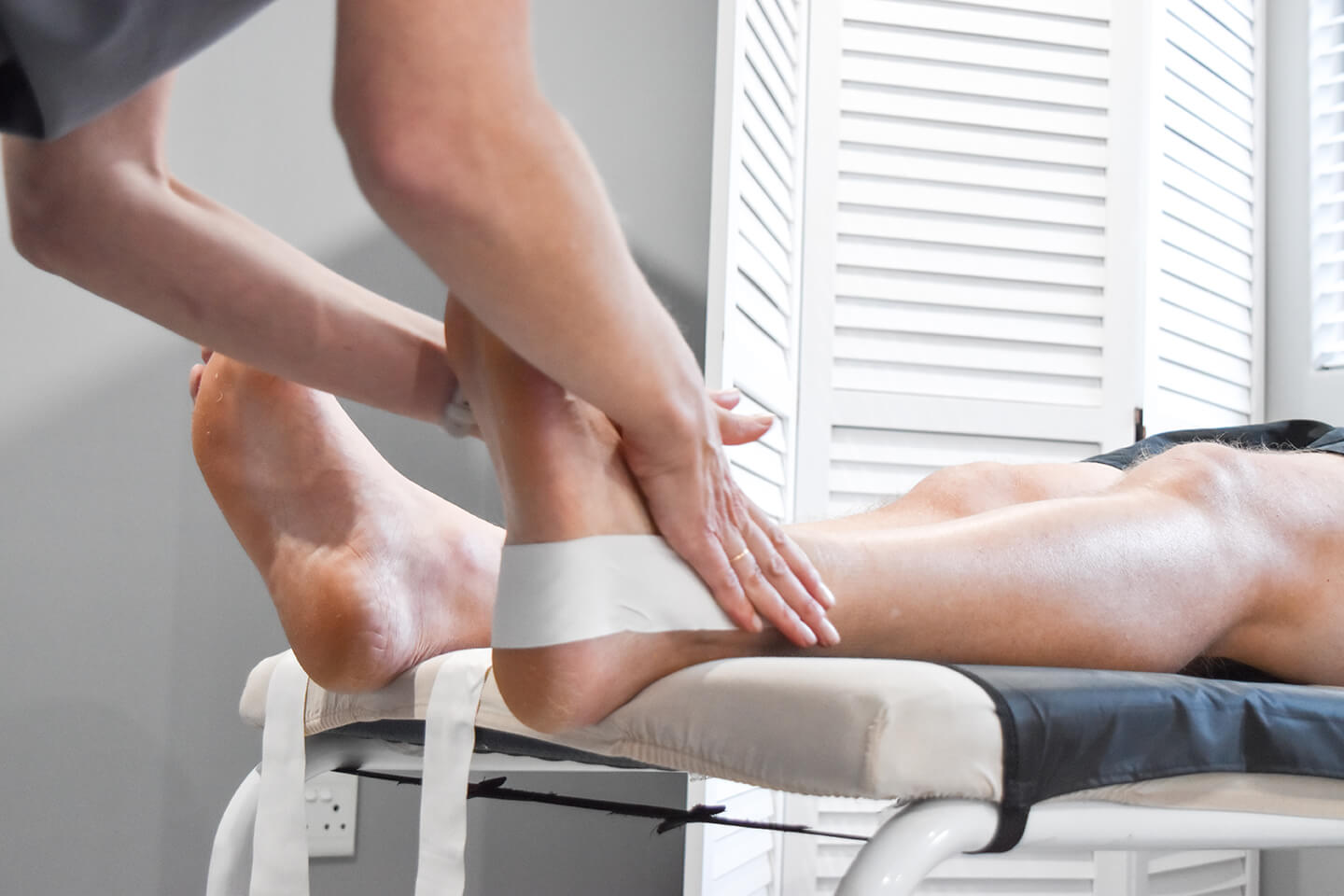
- Taping for short-term relief
- Footwear recommendations
- Manual therapy
- Night splints for chronic cases
These methods provide lasting heel pain treatment by addressing the root biomechanical causes — not just the symptoms.
Calcaneal Spur Treatment
Heel spurs often develop alongside plantar fasciitis. While spurs themselves are not always painful, the surrounding tissue inflammation is. Calcaneal spur treatment may include:
- Targeted orthotic offloading
- Shock wave therapy
- Anti-inflammatory care
- Manual soft-tissue therapy
Surgical intervention is extremely rare and only considered in severe, unresponsive cases.
Home Care Tips for Faster Healing
While professional care is essential for long-term recovery, home management plays a powerful role in reducing symptoms:
✅ Stretch calves and feet daily
✅ Apply ice to the heel for 10–15 minutes
✅ Avoid walking barefoot on hard floors
✅ Wear supportive shoes at all times
✅ Limit high-impact activities during flare-ups
✅ Avoid worn-out training shoes
✅ Use temporary silicone heel cups for relief
These habits significantly improve foot pain relief when combined with proper clinical care.
Why Shoe Choice Matters for Heel Pain
- Firm heel counter
- Built-in arch support
- Shock-absorbing midsole
- Slight heel elevation
- Wide, stable base
When to See a Podiatrist
- Heel pain lasts more than 2–3 weeks
- Pain interferes with work or daily walking
- Home treatments provide little or no relief
- Pain returns repeatedly
- You suspect a heel spur
- Pain begins affecting posture or gait
Why Professional Treatment Works Better Than DIY Solutions
- Accurate diagnosis
- Proper biomechanical correction
- Reduced recurrence
- Faster healing
- Long-term protection
Book Your Plantar Fasciitis Treatment at The Pod Practice
You don’t have to live with daily heel pain. At The Pod Practice, we offer advanced assessment, biomechanical correction, and personalised plantar fasciitis treatment plans designed for lasting relief.
✅ Reduce pain
✅ Restore mobility
✅ Prevent future flare-ups
✅ Walk comfortably again
Book your appointment today and take your first pain-free step toward better foot health.